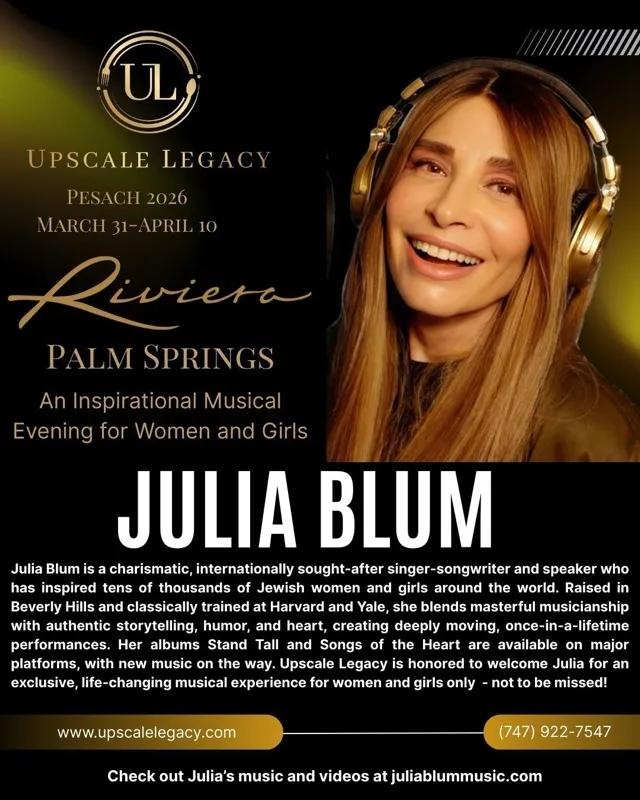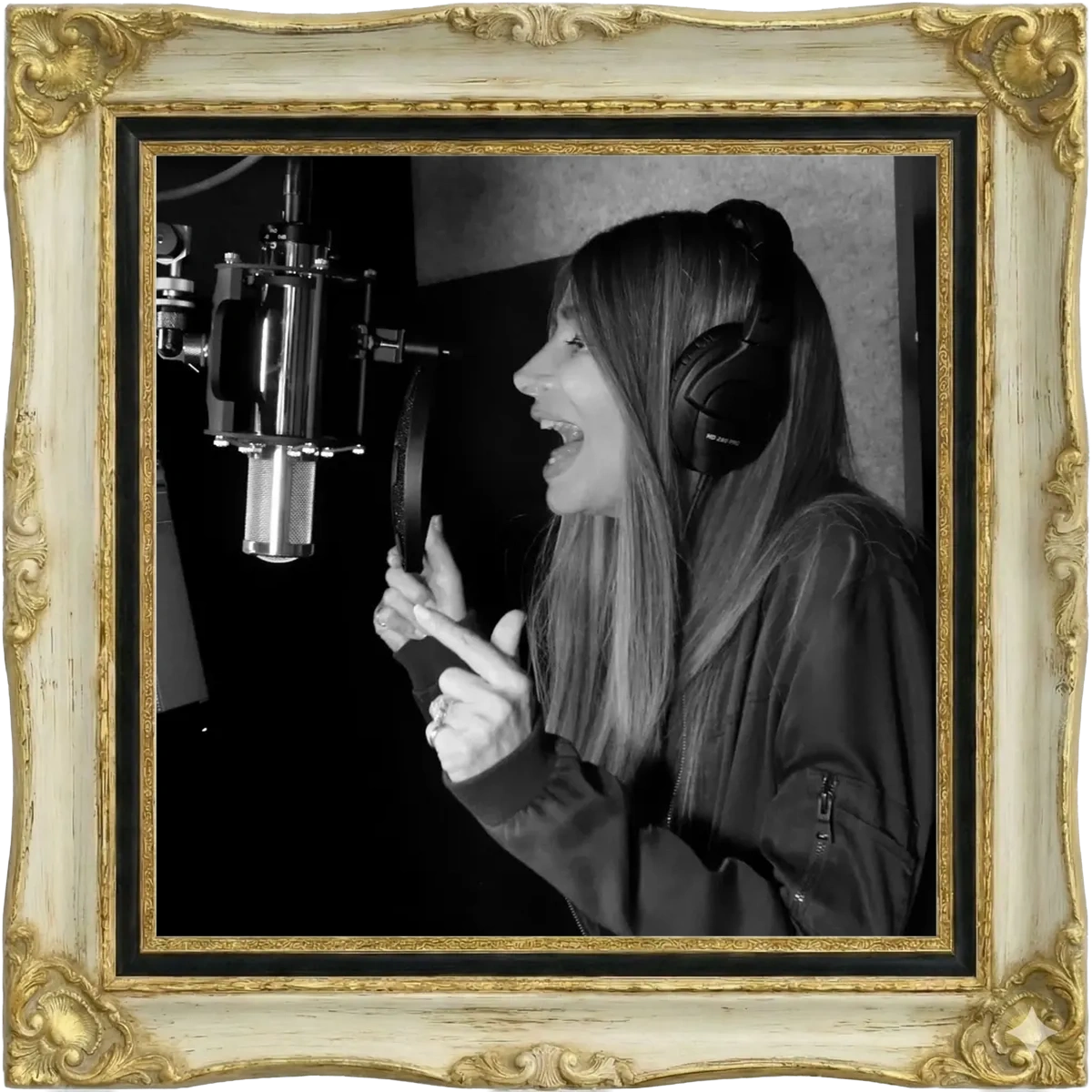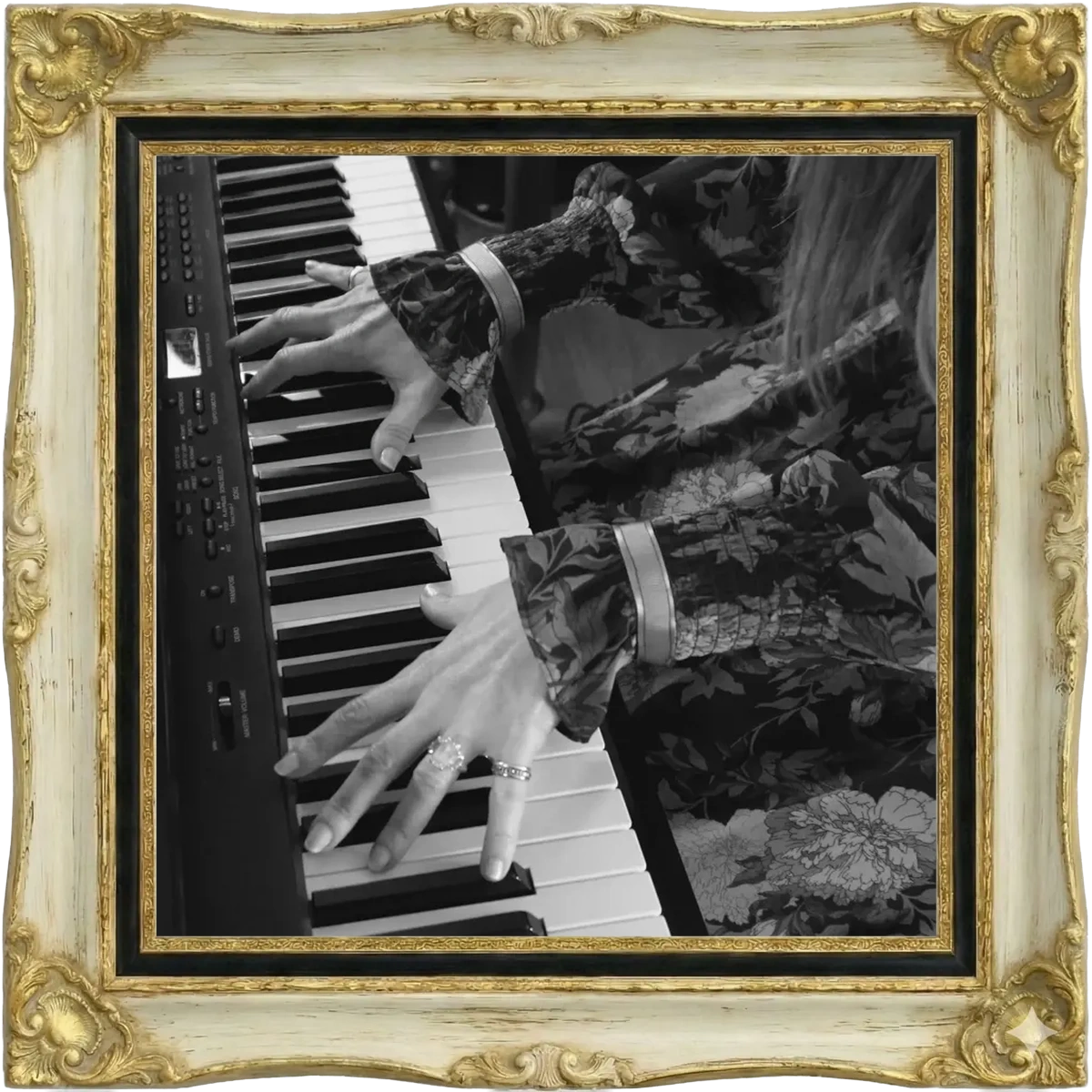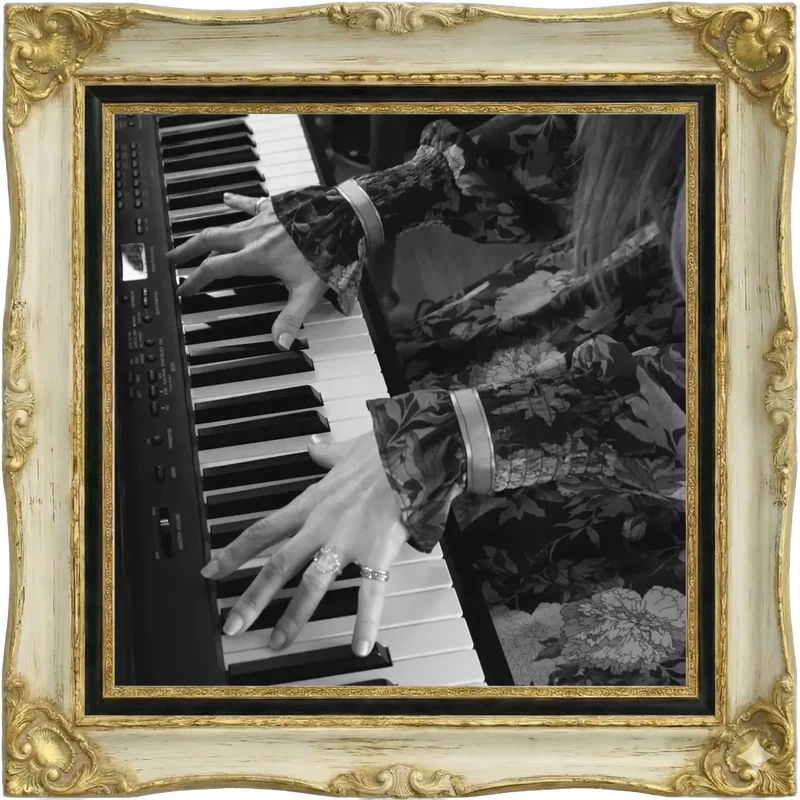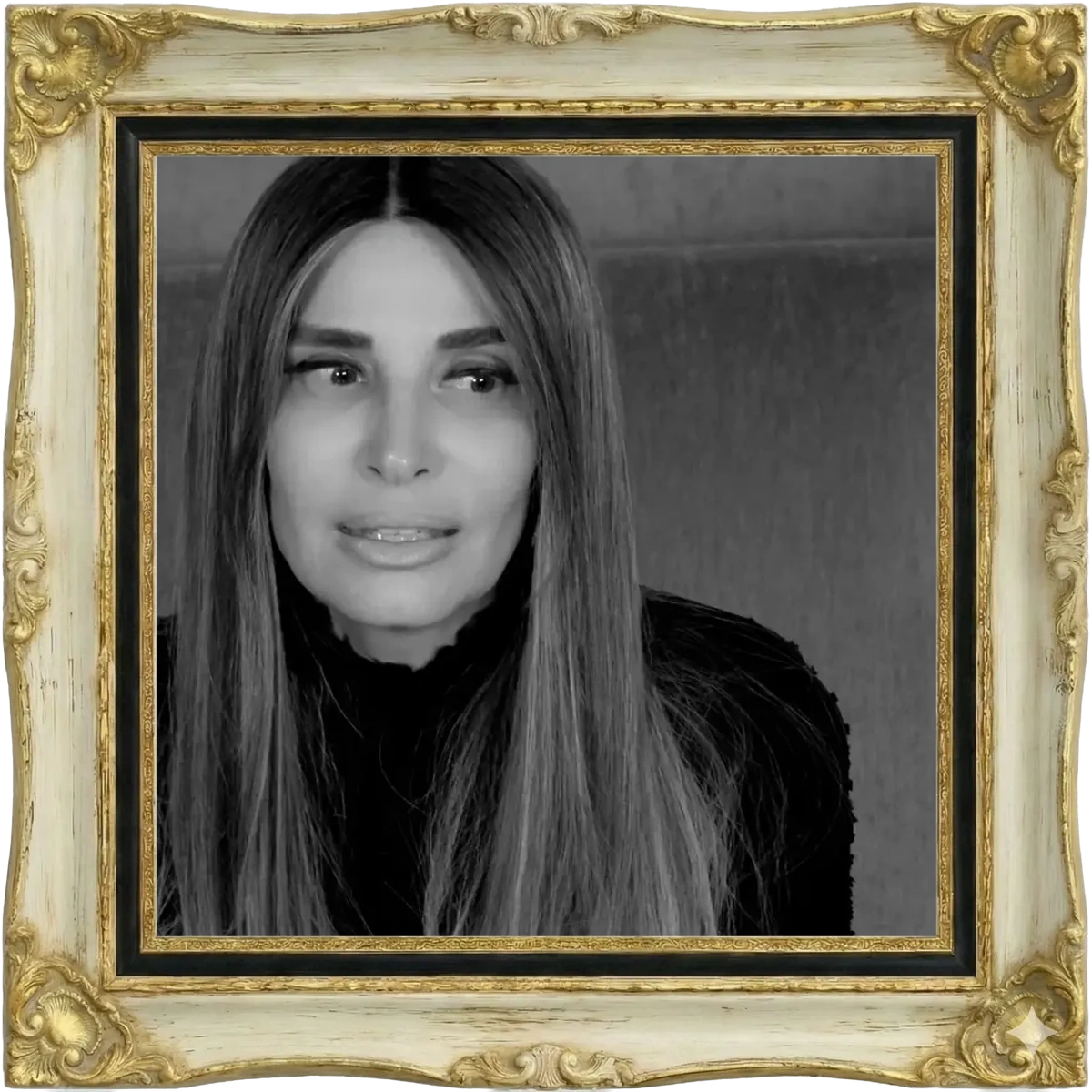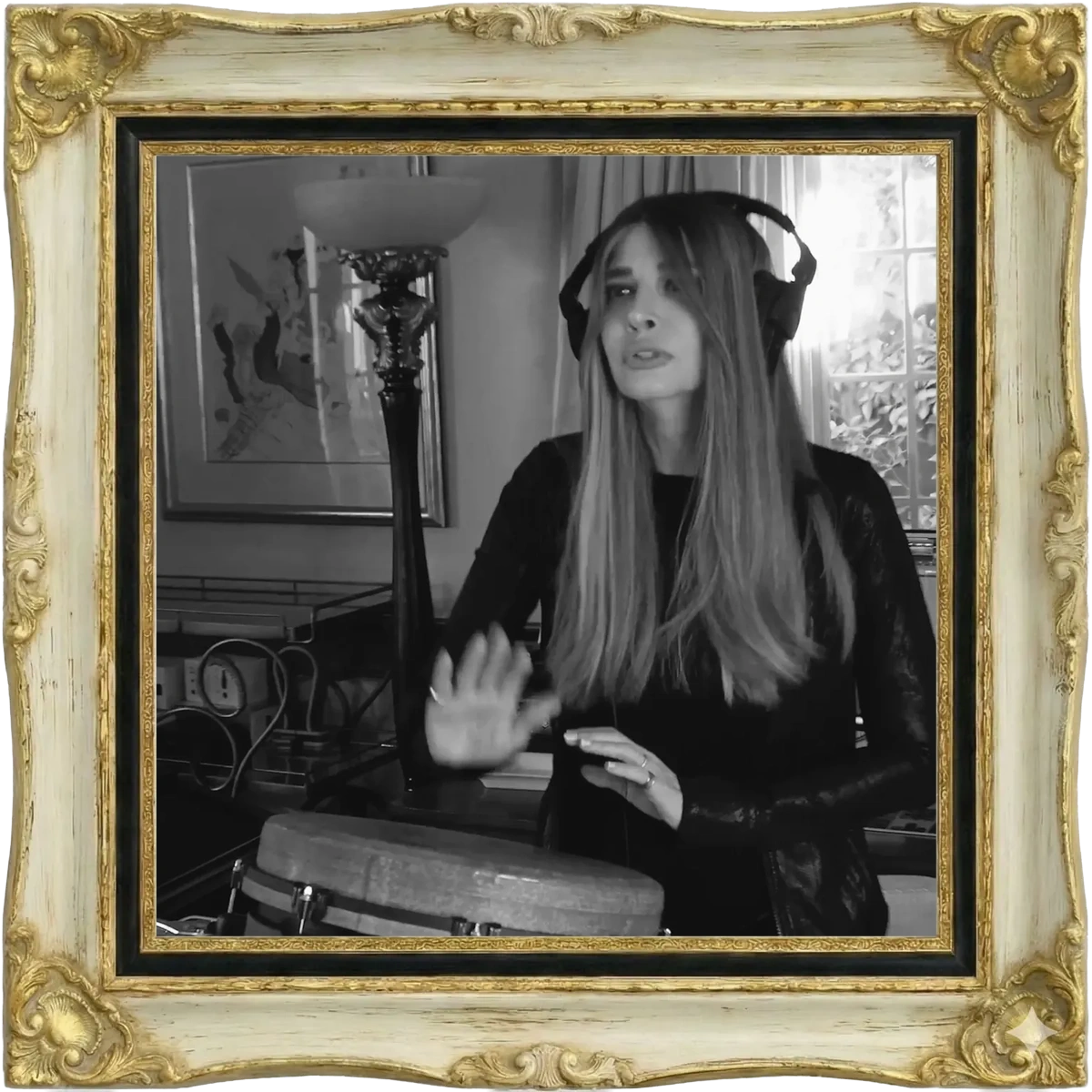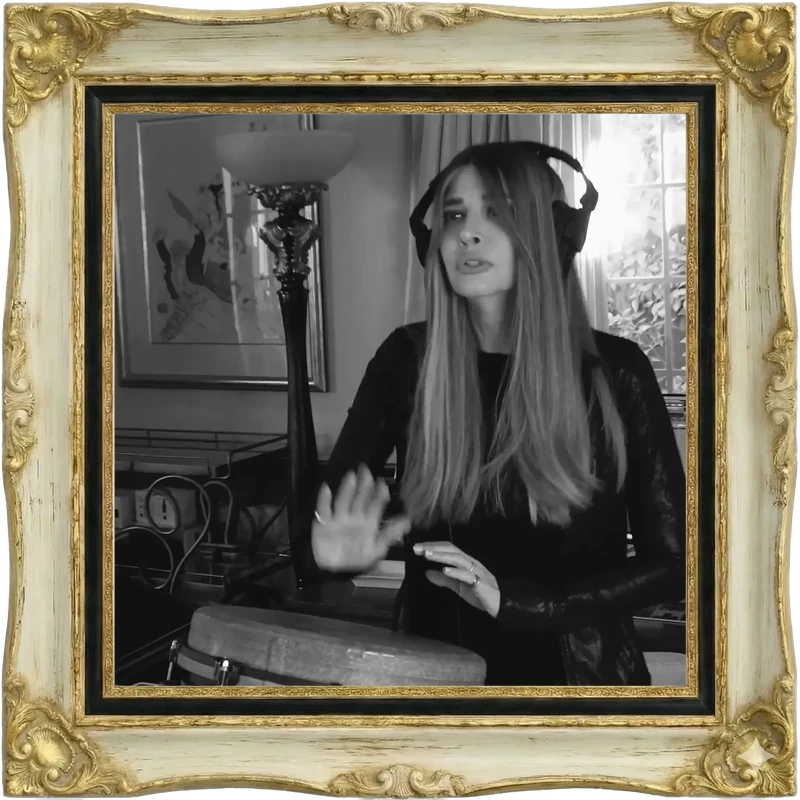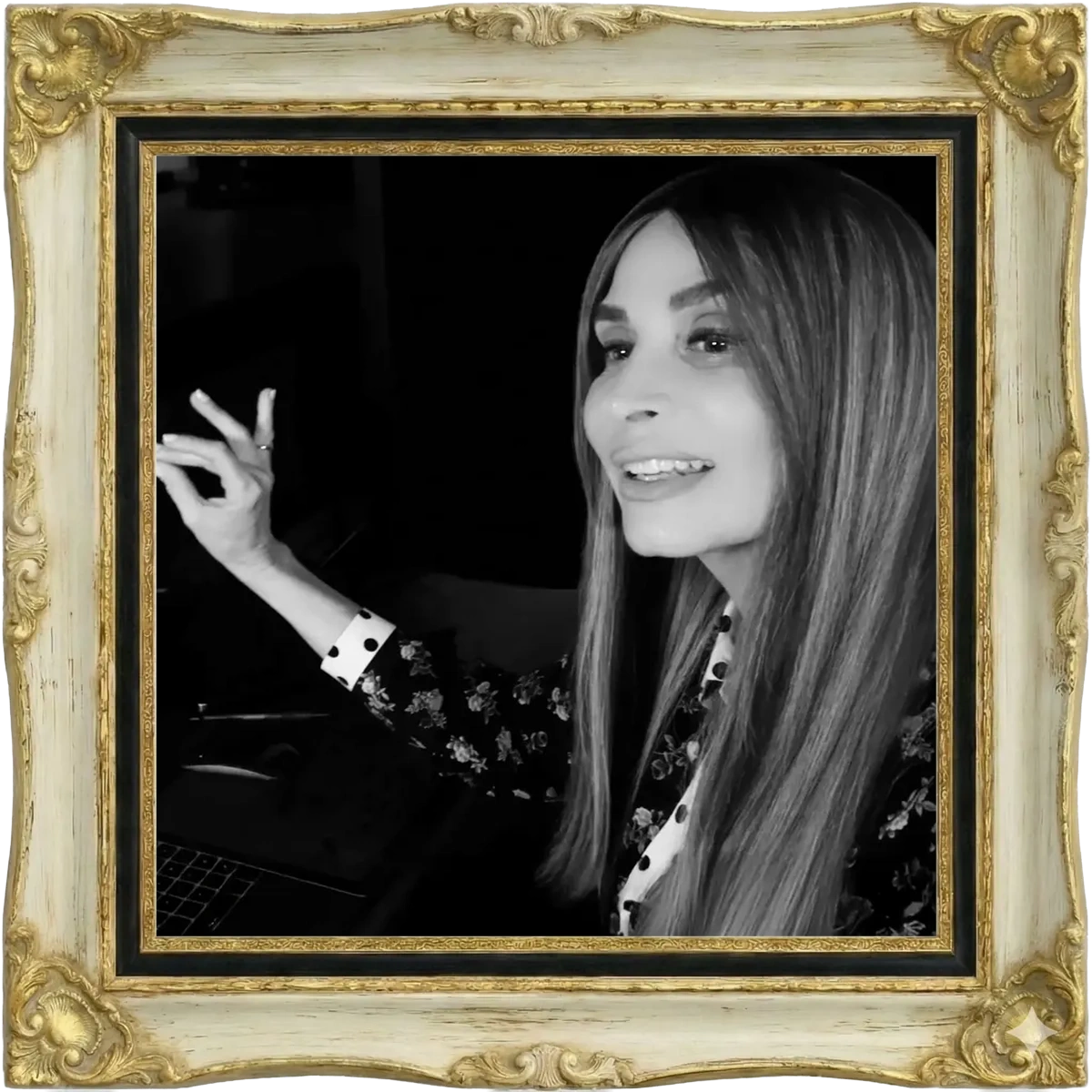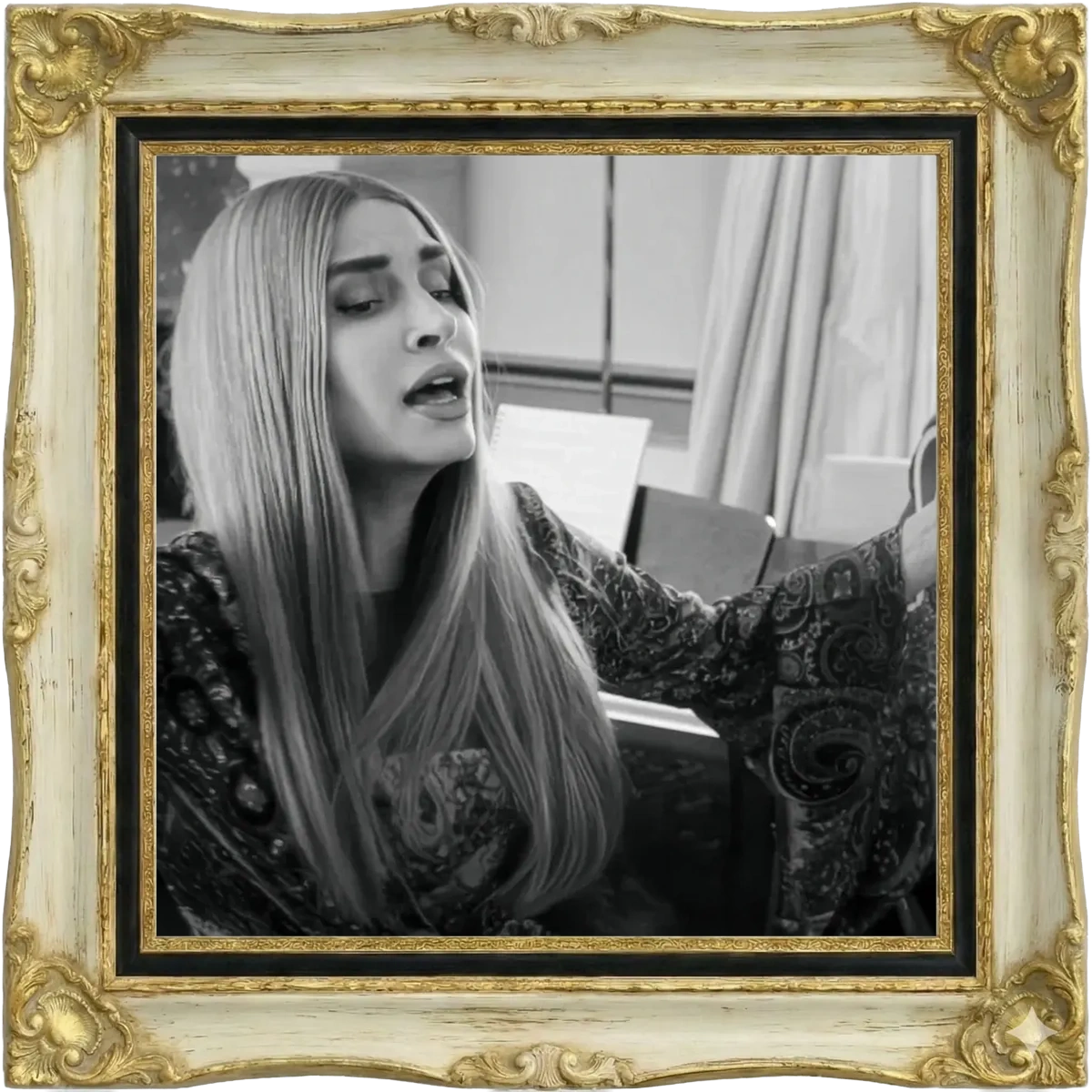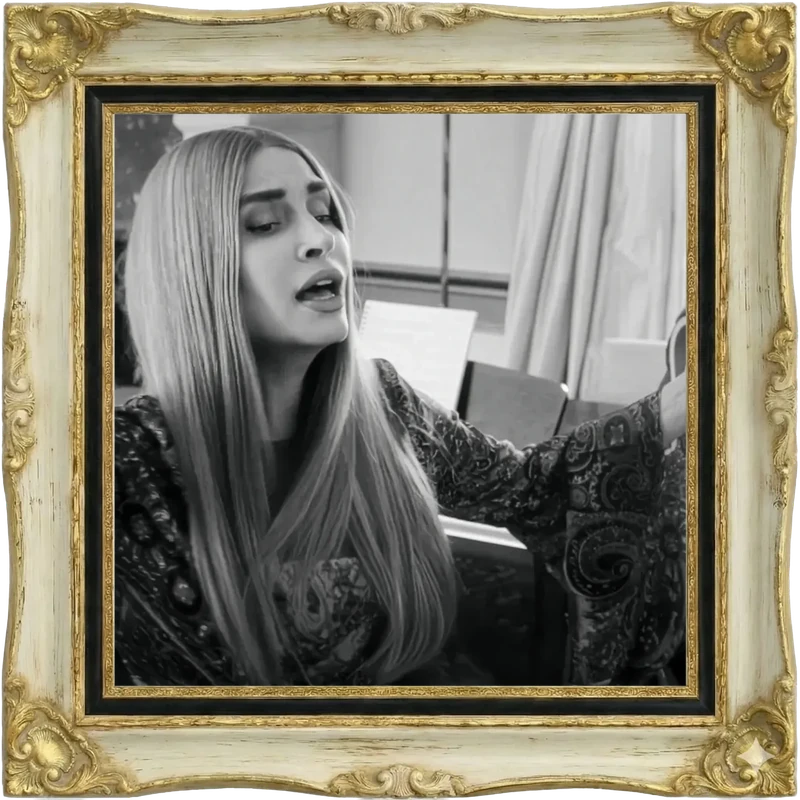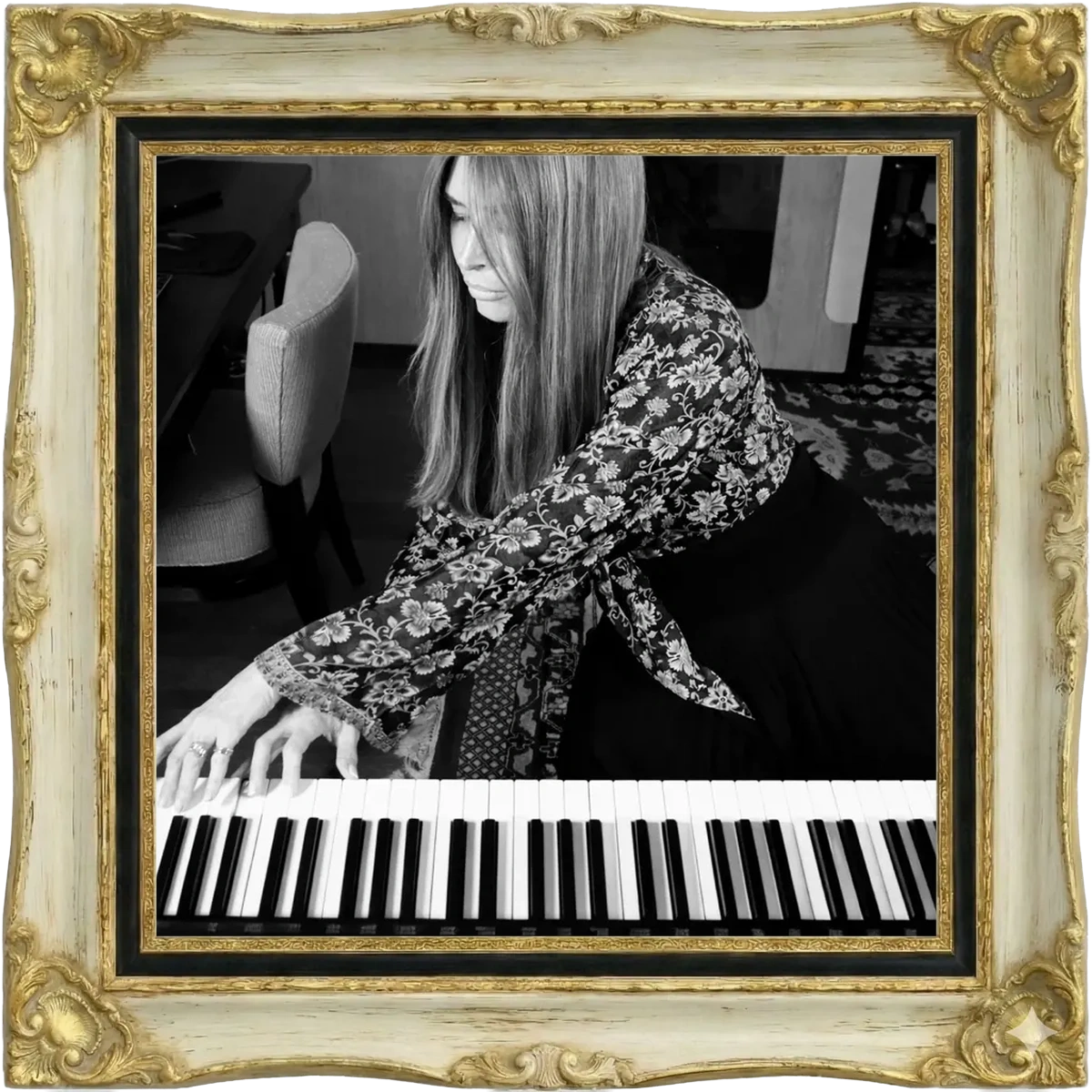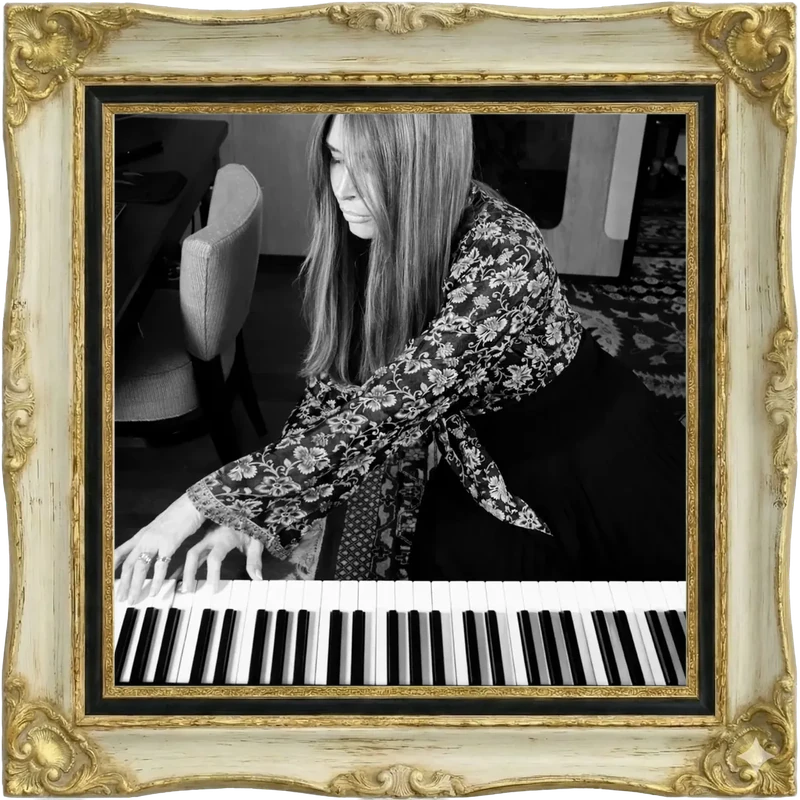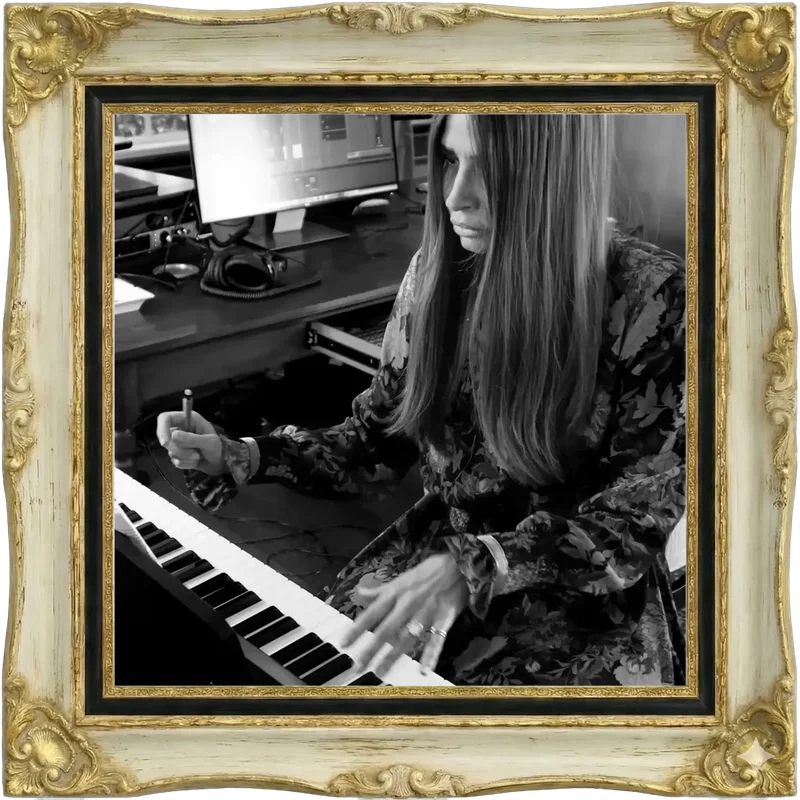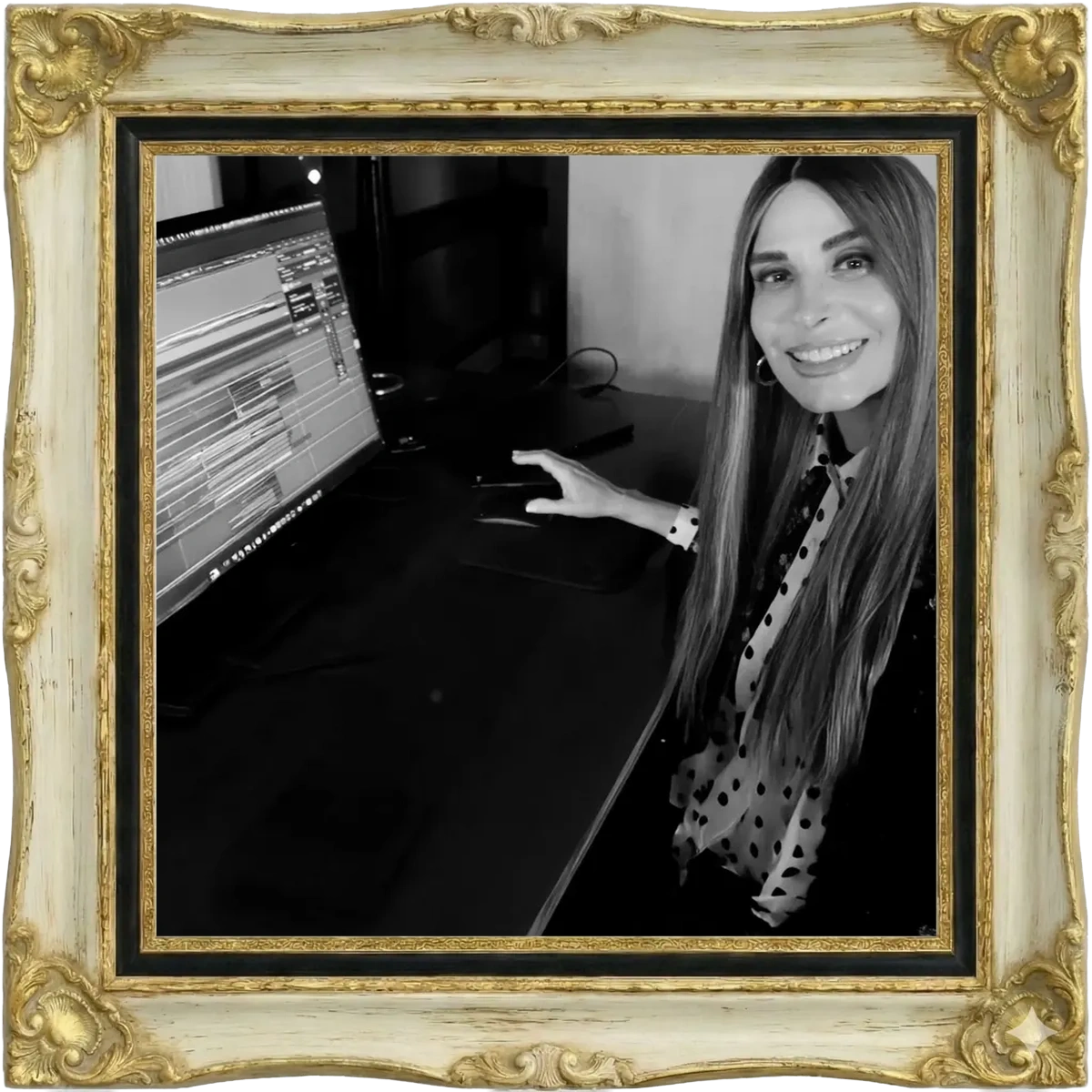


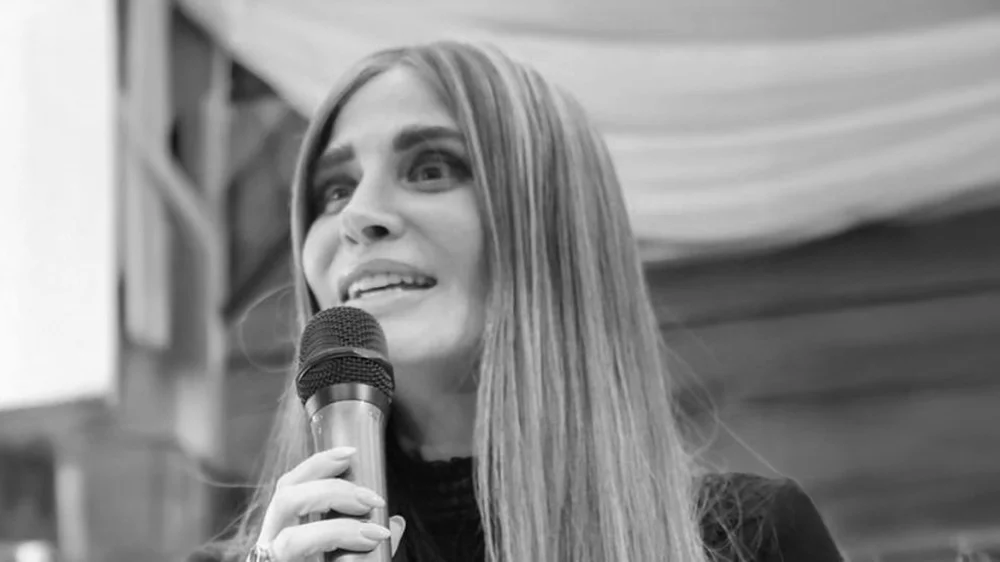
Julia Blum is a charismatic Orthodox Jewish singer, songwriter, composer, and inspirational speaker. Her songs blend personal storytelling with carefully crafted music, ranging from intimate piano accompaniments to full orchestration. Julia writes, produces, and performs all her own music.
Julia did not grow up Orthodox. Raised in a loving, secular Jewish home in Beverly Hills, Julia began music lessons at age three. She soon added dance, voice, and acting classes, leading to a childhood performing career by age twelve. She excelled at Beverly Hills High School before graduating Cum Laude with Distinction from Yale University, attending Harvard University along the way, and later earning her MFA from USC's prestigious Peter Stark Producing Program.
Following college, Julia began exploring her Jewish identity and ultimately chose to fully embrace Orthodox Judaism, a transformation that reshaped her life and deepened her perspective as an artist. She released two albums of original music, Stand Tall (1990) and Songs of the Heart (1998), and performed for tens of thousands of women across the U.S. and abroad.
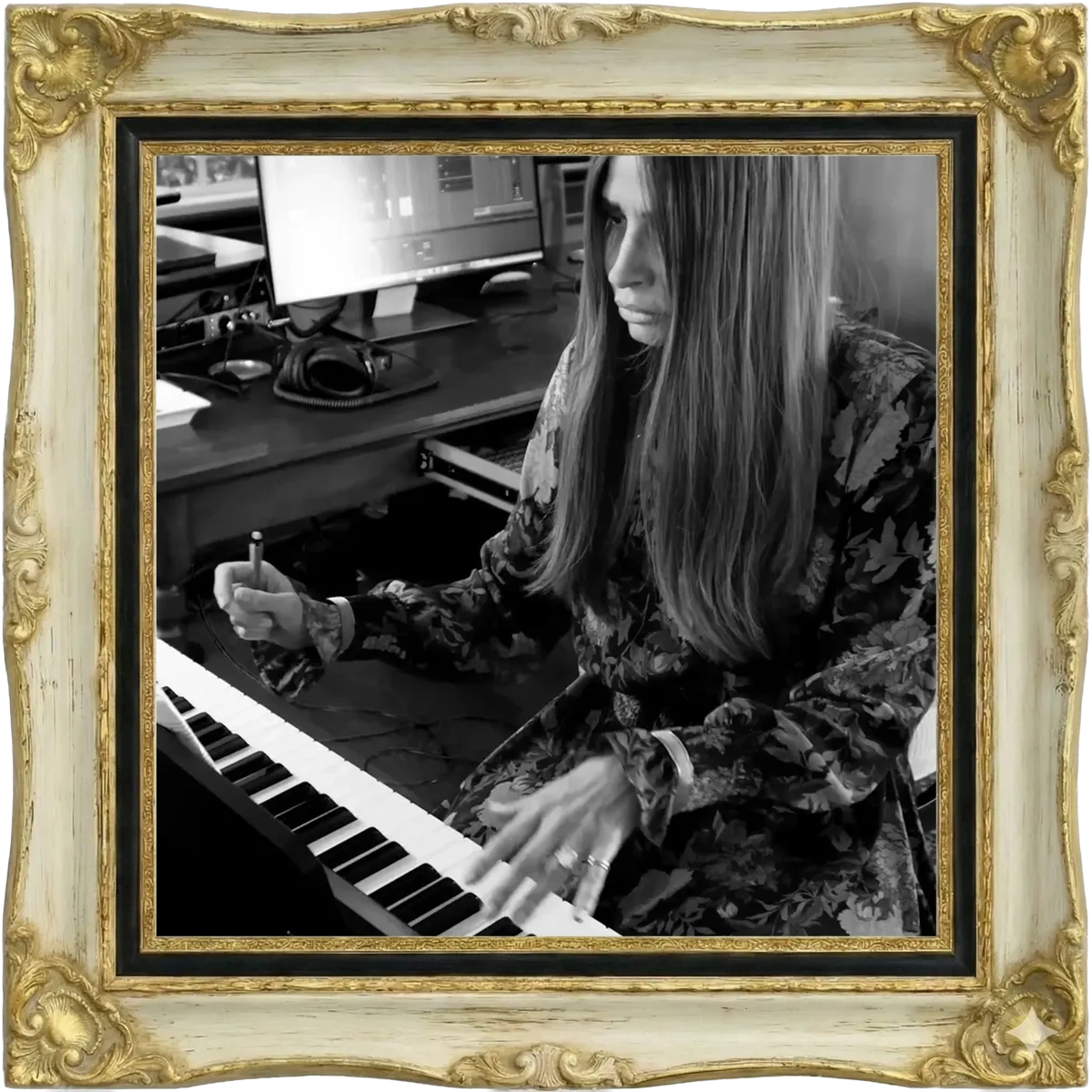
After stepping back to raise her children, Julia returned to recording in 2023. She and her husband built a home studio, where Julia wrote, produced, and recorded her most ambitious album to date, featuring eighteen new lyric-driven songs.
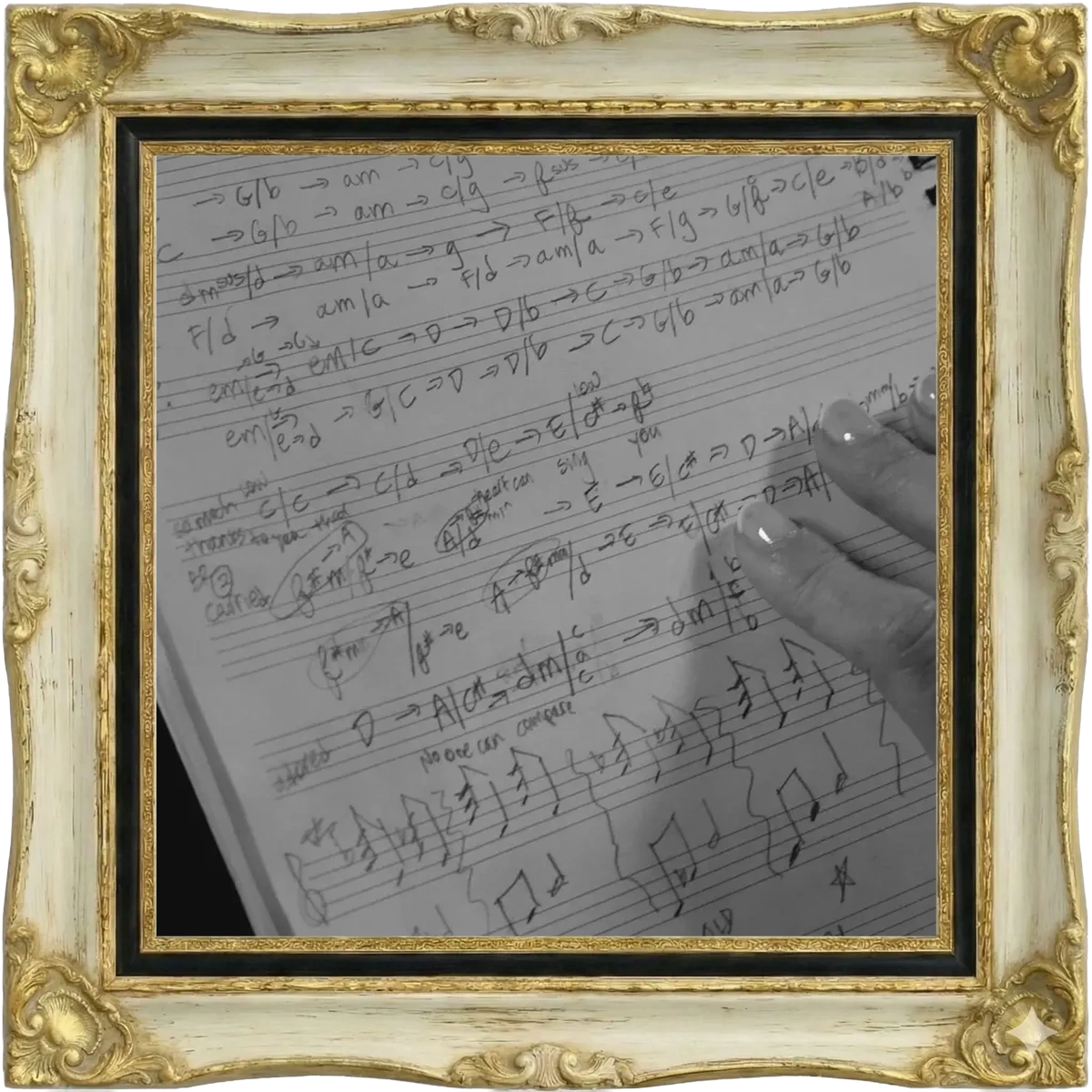
Julia creates each song from beginning to end, writing all the lyrics, notating extensive instrumental and vocal parts, and then performing and producing each track.
Julia is driven to create positive impact through inspirational, meaningful, and uplifting content. She invites listeners of all backgrounds to experience her music, which is available on Spotify, Apple Music, and all major streaming platforms.




“You are a gift in this world. Remember that there never has been and never will be another you. Ever.” julia blumClick Here for Julia's Wikipedia Page
Julia Blum has been featured across television, podcasts, and major publications, including The Jamie Geller Show, Show & Teller, the Los Angeles Times, and Jewish Action. Below is a curated selection of features covering her music, career, and personal story.

Julia sits down with Jamie Geller at home for an honest conversation about rejection, identity, faith, and the courage to begin again.
Watch the EpisodeThe Jamie Geller Show, 2026
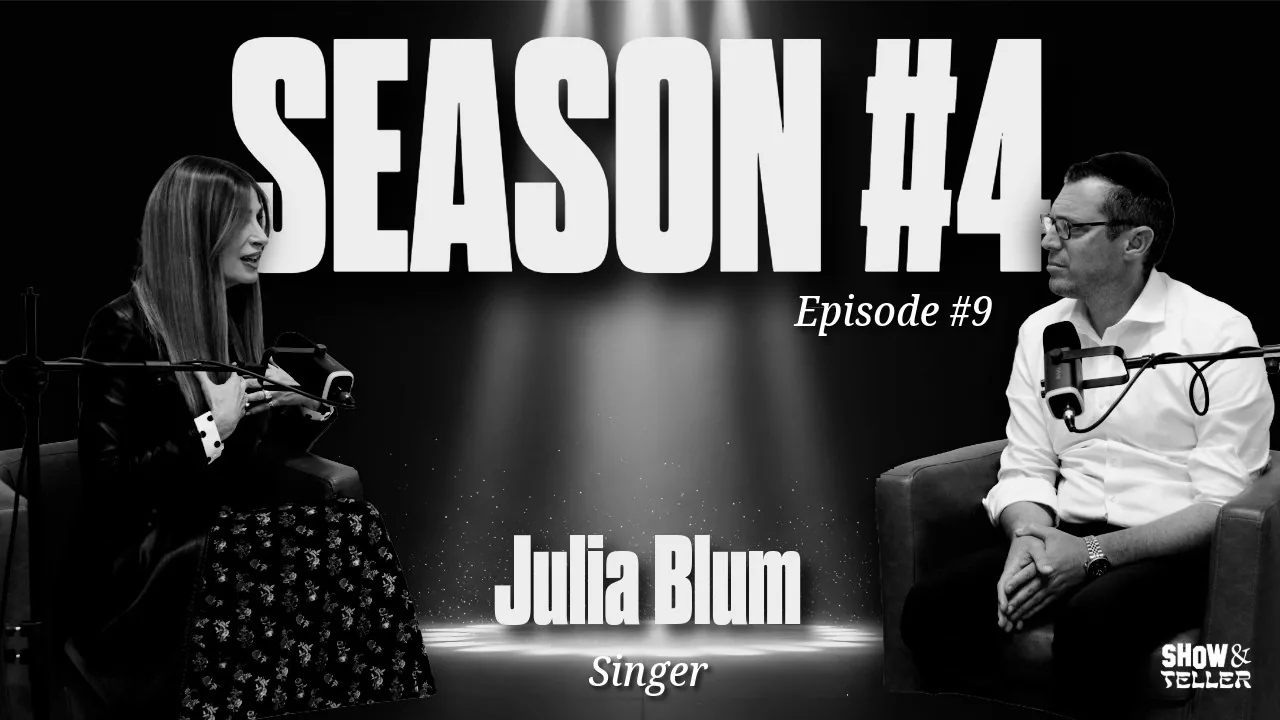
Julia joins Rabbi Mordechai Teller for a thoughtful conversation about music, meaning, and how Judaism has shaped her voice and her creative path.
Watch the EpisodeShow & Teller with Rabbi Teller, 2026

Julia Blum was a featured speaker at 2025's Yale in Hollywood music industry event.
View Promotional FlyerJulia Blum, Featured Speaker
Yale In Hollywood AI Panel
December 15, 2025

Feature story on Julia Blum's 2022 return to music, her personal journey within Orthodox Judaism, and the creative process behind her original pop compositions.
Read Article
Story featuring Julia Blum, exploring the intersection of talent, faith, and artistic expression.
"One of the most well known female vocalists who performs for strictly female audiences around the country is Julia Blum. A ba'alat teshuvah, Blum began studying music at the age of three, and was performing professionally by the age of twelve. She shared a vocal coach with Barbra Streisand and Madonna.
"'I had everything that people think you're supposed to want,' says Blum, who attended both Harvard and Yale. 'I could have had [a career in Hollywood] and I chose not to, because I thought there was something better and that was Torah.'
"Blum travels several times a year performing concerts and selling her two CDs—Standing Tall and Songs of the Heart. 'My situation is ideal and unique,' she says. 'My background made for an unusual and easily marketable package. I feel very grateful that a venue has been created for me, and I feel very satisfied.'
"Blum recognizes all too well the pitfalls that often accompany talent. 'The problem is when your physical person is your art,' she says. 'When you dance, your body is your art. When you act, your face is your art. From the time I was young, I became aware of this harsh relationship between wanting to express myself and having to "sell myself." Yiddishkeit is not the problem, the problem is one that is inherent in having your body and your face be your art. That doesn’t mean that a woman shouldn’t have an outlet for her talent. But to say "because I can’t sing in front of men, I have no way to express myself" is silly.'
"While the drive for self-expression is a fundamental part of a performing artist’s nature, Blum gauges self-expression differently. 'Just how is self-expression measured? When I sing for myself at the piano and a wonderful sound reverberates around the room, is that not expressing myself? If my teenager sits and listens to me, aren’t I expressing myself? If I sing for ten people, is that enough? Does it have to take place in a stadium? At what point does it count? Is it just a numbers game?'
"'The burden of being the world’s most beautiful woman, or most talented singer or whatever, means that there is no life outside of that gift, and no context for anything. Bear in mind, even the most spectacular beauty, even the greatest talent will diminish over time. Yiddishkeit says, "Let’s avoid that trap, and let’s remember that we are bigger than our art and bigger than our expression, we have many more facets to ourselves… To be given a gift, any kind of a gift, is a big responsibility and sometimes a burden. I think that Torah gives you the best tools for channeling your gift," says Blum. "Yiddishkeit gives you a life that is more significant than just your gift. To think 'all I am is my art and its expression' minimizes the totality of who a person is. And that [applies] whether a person is Jewish or not, frum or not.'
"'People want to live forever, they want to be important, they want to make a difference. But, being on MTV is not going to do it. Even getting an Academy Award is not going to do it. Who even remembers who won the Academy Award four years ago? And the secular world doesn’t offer anything much better than that.'
"'When you live a Torah life, you can say, "Everything that I do all day is important, holy and meaningful." And when I leave this world, all I’ll have is every mitzvah that I did.'
"Blum’s perspective and priorities are enviably clear. Rather than seeing art as her life, Blum sees her life as art. 'Years ago, singing was at the core of the life I envisioned for myself. These days that seems like a very modest goal… I would rather have a "B-plus" career and an "A-plus" life.'"

In-depth profile of Julia Blum's early music career, artistic journey, and the impact of her work on women in the Orthodox Jewish community.
"Inside a two-story, white-walled home in Los Angeles, about 25 people await Julia Blum’s arrival. Some of the men wear yarmulkes and payis, side curls, some of the women are in long skirts with scarves over their hair. Others are in jeans and sandals. As Blum enters, her mouth opens in shock. 'Surprise!' the group yells. Her husband enters playing 'Happy Birthday' on the violin. Julia’s father follows with a video camera.
"Tugging on her black, shoulder-length sheitel, wig, Blum walks from guest to guest, thanking each one for coming. 'She’s an amazingly inspirational woman,' says 27-year-old Marissa Reiter. The two met at a Shabbat table four years ago. 'I would like to be like her. There’s a light that radiates within her.'
"Blum’s voice teacher, whom she hasn’t seen in 12 years, arrives, wearing a large square, rainbow-colored yarmulke and smiling broadly. 'You look so normal!' he says, only half-jokingly. The last he had heard of Blum, she had 'become Orthodox.'
"Blum, 30 years old, grew up in Beverly Hills. Her mother is an elementary school teacher, her father an insurance executive. The family attended a Conservative synagogue and celebrated the major Jewish holidays. The summer after graduating from Yale in 1988, Blum traveled through Europe, Greece and Israel, where she visited an Orthodox women’s yeshiva to 'find out about Jewish things.' Six months later, she arrived back in Los Angeles, an Orthodox Jew.
"Her family and friends were shocked. 'When she came back, she had changed so drastically,' says Magali Bergher, a high school friend. 'We thought she was cheating herself out of her destiny. Everyone thought that if anyone would get an Oscar, or be on Broadway, it would be Julia.'
"Piano lessons at 3, ballet lessons at 7, an agent at 12, voice lessons at 13 with a Hollywood coach whose students included Michael Jackson and Anita Baker—Blum had her career mapped out. She starred in commercials and won the lead in every production at Beverly Hills High School. She was accepted by all the colleges to which she applied—Princeton, Harvard, Brown. At Yale, she was cast in graduate school performances, almost unheard of for an undergraduate.
"Today she lives in a modest house in Carthay Circle with her husband, a software programmer, and their two children… 'I never thought of myself as married with kids,' says Blum, sitting in her backyard… Tall and angular, her hair covered with a black mesh snood wrapped with a brown knit scarf, Blum is as striking as she was when everyone thought she was going to be a star: high cheekbones, large brown eyes, a wide smile.
"When Blum first returned home in 1988, there was a lot of talk about 'what happened to Julia' from old high school acquaintances. There were family functions she couldn’t attend because they were on Shabbat. She couldn’t eat at friends’ or relatives’ homes because they weren’t kosher; she would no longer hug male friends or extended relatives because of the Orthodox prohibition against any touching between men and women who are not immediate family.
"'It was hard to understand why she had to go from 0 to 100, rather than step by step,' says Blum’s mother, Cynthia Blum. But Blum felt that once she decided to embrace Orthodox Judaism she had no reason to go slowly. 'I had no understanding of the larger picture that exists in the world, but I realized what I was missing once I saw it. I wasn’t a seeker, but I was an honest enough thinker to know that when I saw something that was the right thing to do, I had to do it.'
"At that Jerusalem yeshiva, as she pored over the texts written in biblical Hebrew, sat in classes, talked to her teachers, visited religious families and kept the Sabbath, something—she says—clicked: 'This is my religion.'
"This realization was followed soon by: 'Great, now I’m stuck. If Hashem [God] created me and Hashem created the Torah, then I have to keep the Torah.'
"At the beginning, Blum says she thought she could be Orthodox and continue to perform. She soon found out that the religion prohibits women from singing in front of Orthodox men. Her initial reaction was, 'Are you kidding me?' And, of course, she couldn’t work on Shabbat. Again, more soul-searching. 'The human condition is limiting,' Blum says. 'You have to choose which limitations make the most sense. I had to ask myself: Why do you want to be a singer? Why do you want to be a performer? Because I’m good at it? Because I like the attention? Because everyone says that’s what I’m going to do? Because that’s what I’ve always done?'
"'When you’re ruthlessly honest with yourself, that just doesn’t cut it. People don’t realize that whatever they’re thinking, they weren’t born with, they learned. How can you know what you think if you haven’t gone outside your own mode of thought? I have gone outside my mode of thought, looked at it and compared it. Then the decision was easy.'
"Even after years of Orthodox practice, certain aspects of this life are still a struggle. 'I realized I had been trained to think about the world, and function as a woman, in a certain way. I learned that whatever was associated with a woman’s role is bad, and that if someone wanted me to do something that was a woman’s role, it meant they were trying to subjugate me. But what has cooking, or being with children, have to do with being degraded?'
"After preparing a meal of rice, red peppers and tomatoes, Blum sits down at the oak table in her sparsely decorated dining room, closes her eyes and makes a blessing over the food. 'I have to work on myself because of the ideas that were put in my head for so long,' she continues. 'And what’s wrong with serving my husband? People who are hostile to cooking for a husband wouldn’t be hostile about cooking for a friend.'
"Blum, the oldest of four girls, talks to her mother at least once a day. After the birth of Aaron, the Blum parents koshered their kitchen so Julia and her family could eat there. The children spend the night at their grandparents’ home twice a week. Some points of friction remain, however. 'I don’t like that I can’t even shake my son-in-law’s hand,' says Cynthia Blum. 'Or that Julia cannot shake her uncle’s hand… It’s not that I don’t understand where it comes from. But it grates against who I am.'
"Blum is working on her second album of religious folk music and travels a few weeks out of the year, performing and telling her story to girls’ and women’s groups throughout the country. 'I miss things,' Blum admits. 'But I don’t regret things the more time passes. It’s a life choice, and you can’t have everything. But now I don’t have to worry about selling myself.'"
April 2026